
Article
Featured Articles
Read our latest stories on the people and scientific innovations making a difference in patients’ lives.

February Social Media Round-Up—Outdoing Cancer, Celebrating 175, and Hopping on a TikTok Trend
The year’s shortest month didn’t feel like it, at least not if you’re part of Pfizer. From our commitment to outdoing cancer to a celebration of our legacy, we were loud and proud about both the celebrated past and exciting future of the company.We’ve also highlighted some noteworthy social posts from our corporate channels, including Facebook, Instagram, and TikTok. (Yes, we’re on TikTok!) Check it out, and stay tuned for more!Posts from our LeadershipCEO Albert Bourla on Pfizer’s commitment to...

Pfizer’s Statement on Results of Fifth Annual Pay Equity Study Among Colleagues Worldwide
NEW YORK, N.Y., February 23, 2024 – Pfizer Inc. (NYSE:PFE) announced today that, for the fifth consecutive year, an independent compensation expert confirmed equitable pay practices for employees at Pfizer.The study assessed pay equity for gender worldwide and for minorities in the United States based on compensation data, including base pay and bonuses. The study measured the difference between similar groups of employees when adjusting for factors such as role, grade, job level, and location.T...

January Social Media Round-Up—Celebrating 175, Discussing AI, and Attending CES 2024
One month into the new year and Pfizer is already got plenty to show for it.January’s social media round-up features a dispatch from Las Vegas’s CES conference, our CTO’s insight into artificial intelligence’s impact on cancer, and an impassioned pleas from our CEO.Catch up below:CEO Albert Bourla kicks off Pfizer’s 175th anniversary celebration:https://www.linkedin.com/posts/albert-bourla_2024-marks-a-significant-year-for-pfizer-activity-7150126029393580032-ES_A?utm_source=share&utm_medium...

Pfizer Kicks Off 175th Anniversary by Looking Back at Legacy and Ahead to the Future
Way back in 1849, Charles Pfizer and Charles Erhart started the company we know today as Pfizer, and ever since, we’ve been at the forefront of some of the most profound changes in medicine and technology. For 175 years, we have had an extraordinary impact on global health.But in many ways, we’re just getting started. Throughout 2024, we will celebrate and appreciate everything that we have accomplished while we move forward with confidence that the best is yet to come. Together, we will outdo...

“Change the Odds” Brings Pfizer Together with the American Cancer Society to Bridge the Gap in Cancer Care Disparities
Pfizer has long been committed to the research and development of innovative cancer treatments for patients around the world. This commitment was further strengthened by the addition of Seagen, a world leader in a powerful cancer-fighting tool called antibody-drug conjugates, enabling us to be at the forefront of cancer care. Additionally, addressing inequities in the healthcare of patients is one of Pfizer’s top priorities, and we’re proud to announce a new initiative that incorporates both of...
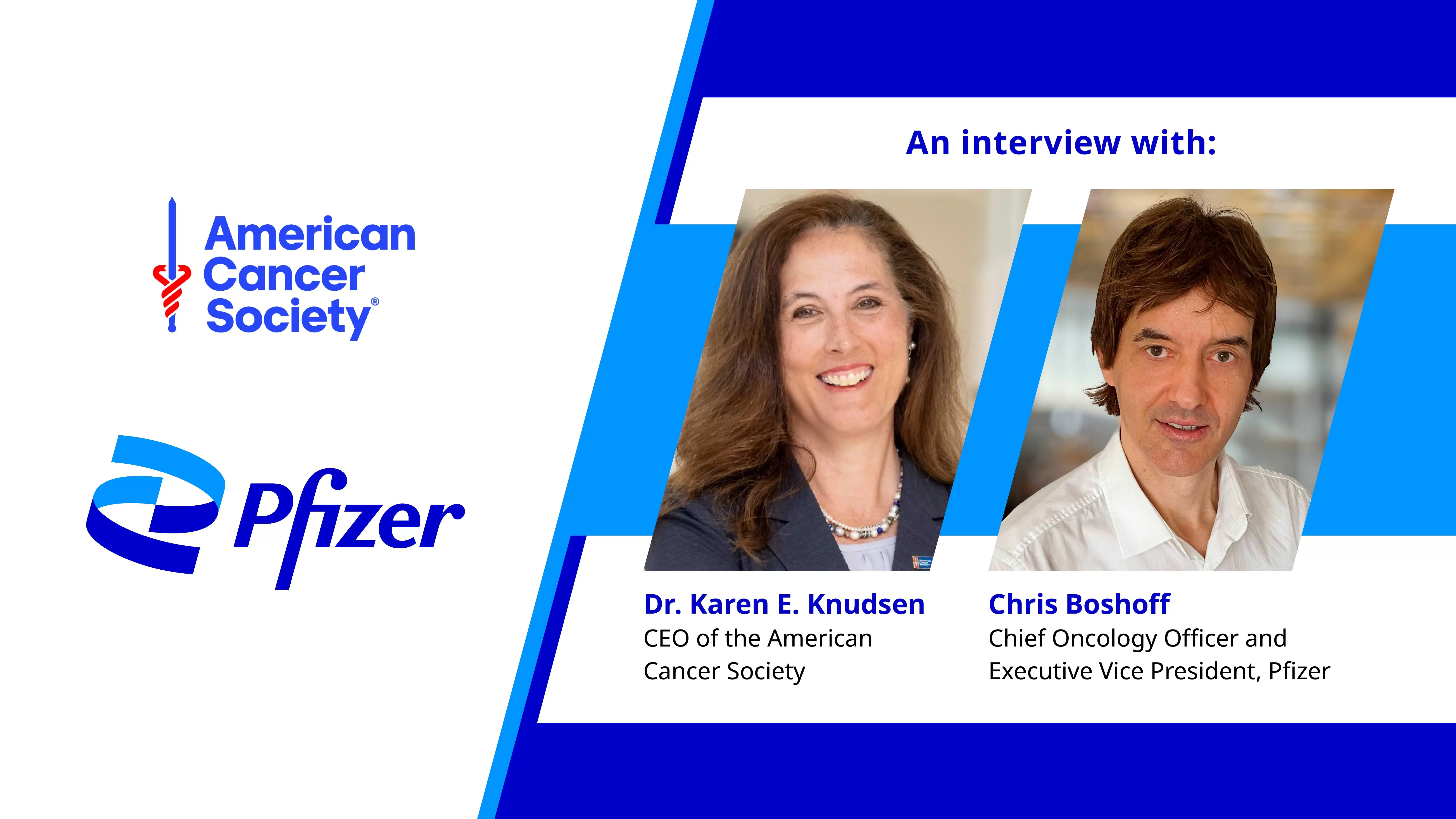
Together We Can Change the Odds for People with Cancer
One in three people in the United States will receive a cancer diagnosis in their lifetime.i This means you, or someone you know, may someday be impacted. This disease does not discriminate. Unfortunately, many people face unnecessary barriers to timely and equitable screening, treatment and support. To help close these gaps, the American Cancer Society (ACS) and Pfizer recently launched a new three-year initiative, “Change the Odds: Uniting to Improve Cancer Outcomes,” aimed at addressing...

Pfizer Presents New Cancer Research at ASCO GU Cancers Symposium
This week, from January 25-27th, Pfizer will join the genitourinary oncology community at the 20th annual meeting of the American Society of Clinical Oncology Genitourinary (ASCO GU) Cancers Symposium. As the premier professional society of clinicians and scientists dedicated to confronting prostate and urinary diseases, ASCO GU has been featuring the latest high-impact science, multidisciplinary expertise, and evidence-based practices in GU cancer care for the past two decades.A long-time...
Pfizer Awards $2M to Nonprofit Organizations Addressing Systemic Health Inequities
Equity is a core value at Pfizer, and we have a longstanding commitment to helping resolve deeply ingrained systemic health inequities. To make better health possible for everyone, everywhere, we develop programs and embark on partnerships that help educate, include, and reach communities that have been historically overlooked.One of those programs – the ‘Communities in Action for Health Equity’ grant program – awarded just over $2 million to 11 nonprofit organizations to conduct community...

CEO Albert Bourla Kicks Off Pfizer’s 175th Anniversary Celebration
For 175 years, Pfizer has been at the forefront of medical and pharmaceutical breakthroughs that have not only changed patient lives but have impacted the world. From the advent of penicillin to the development of the COVID-19 vaccine, we have harnessed the brilliance, expertise, and innovation of countless scientists, doctors, and researchers to help shepherd the world through some of its most difficult healthcare challenges.This year, we celebrate those breakthroughs as we mark the company’s...
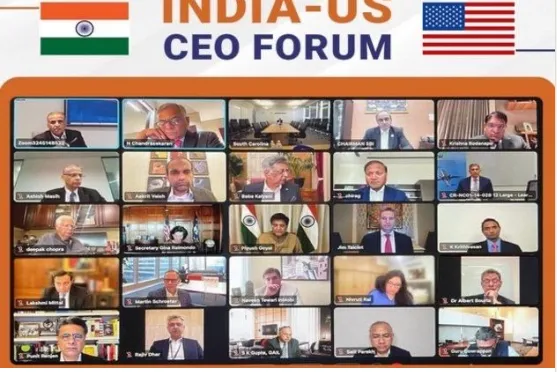
December Social Media Round-Up—Welcome Seagen, US/India CEO Forum, AI, and Gratitude
DECEMBER SOCIAL MEDIA ROUND-UPThe last month of the year tends to be rather hectic, as the holidays descend and everyone scrambles to wrap things up before spending time with their families, friends, and loved ones. Here at Pfizer, December was just as action-packed as the rest of the year. In our monthly round-up of our leadership’s social media activity, Pfizer’s CEO speaks about the acquisition of Seagen, the Nobel Prize committee honors a pair of scientists integral to development of the...

The Stars Come Out for Pfizer-Sponsored “Divas Simply Singing!” Benefit Concert
Health and science aren’t always the most glamorous work, but sometimes we get to rub shoulders with celebrities when the stars come out in support of important health issues.That’s what happened earlier this month, when Pfizer’s Vaccine Adoption and Equity team sponsored the 33rd Sheryl Lee Ralph & the DIVA Foundation Presents: DIVAS Simply Singing! benefit concert.For over three decades, Sheryl Lee Ralph, Emmy Award Winning star of the hit ABC show, Abbot Elementary, has hosted the DIVAS...

Pfizer Accelerates Climate Action through Pan-European Virtual Power Purchase Power Agreements
The impact of climate change on human health is unequivocal. Between 2030 and 2050, it’s expected to cause 250,000 additional deaths per year1 from increased effects like heat stress and malnutrition.Guided by our company purpose, “Breakthroughs that change patients’ lives”, Pfizer remains committed to reducing our company’s greenhouse gas (GHG) emissions. We’ve set a goal to achieve to achieve the voluntary Net-Zero Standard – aiming to reduce company emissions by 95% and value chain emissions...
Media Resources & Contact Information
Anyone may view our press releases, press statements, and press kits. However, to ensure that customers, investors, and others receive the appropriate attention, Pfizer Media Contacts may only respond to calls and emails from professional journalists.