
Article
Featured Articles
Read our latest stories on the people and scientific innovations making a difference in patients’ lives.

Why Real-World Learnings Matter for People with Breast Cancer
When people understand basic concepts about their health, they’re better able to make more informed decisions. That’s why we are working to improve health literacy, clarify the language that we use around health topics, and return clinical trials data to participants.A breast cancer diagnosis is life-changing; many people facing this diagnosis look to gather as much information about their prognosis and treatment options as possible. We know it’s not enough for us to simply develop breakthrough...

Pfizer Names Dr. Chris Boshoff Chief Scientific Officer
When the company you work for has been advancing breakthroughs for 175 years, there is a lot of scientific talent under one roof.We’re proud to announce that after a comprehensive search, Pfizer’s current Chief Oncology Officer and Executive Vice President, Dr. Chris Boshoff, M.D., Ph.D., has been appointed as Pfizer’s Chief Scientific Officer and President, Research & Development, effective January 1, 2025.Dr. Boshoff was selected after a comprehensive search that kicked off when Dr. Mikael...

Pfizer Works to Address Inequities in IBD Care
Despite advancements in technology that allow for broader reach and easier access to healthcare for people all over the globe, disparities in care remain a challenge, especially for women, diverse populations, and those in more rural areas. As we continue to work towards breakthroughs that change patients’ lives, we recognize that not all breakthroughs are medicine-related; we are also dedicated to improving equity and access for all patients around the world.Recently, we shared a series of...

Pfizer School of Science Mobile Experience: Inspiring the Next Generation of Innovators
In today's rapidly evolving world, scientific literacy and innovation are crucial for addressing global challenges and driving progress. Recognizing the importance of fostering a passion for science among young minds, Pfizer launched the Pfizer School of Science in its New York Headquarters — an innovative initiative aimed at inspiring and empowering the next generation of scientists and innovators.Bringing Science Education to Various Pfizer SitesThis year, we expanded outside the confines of...
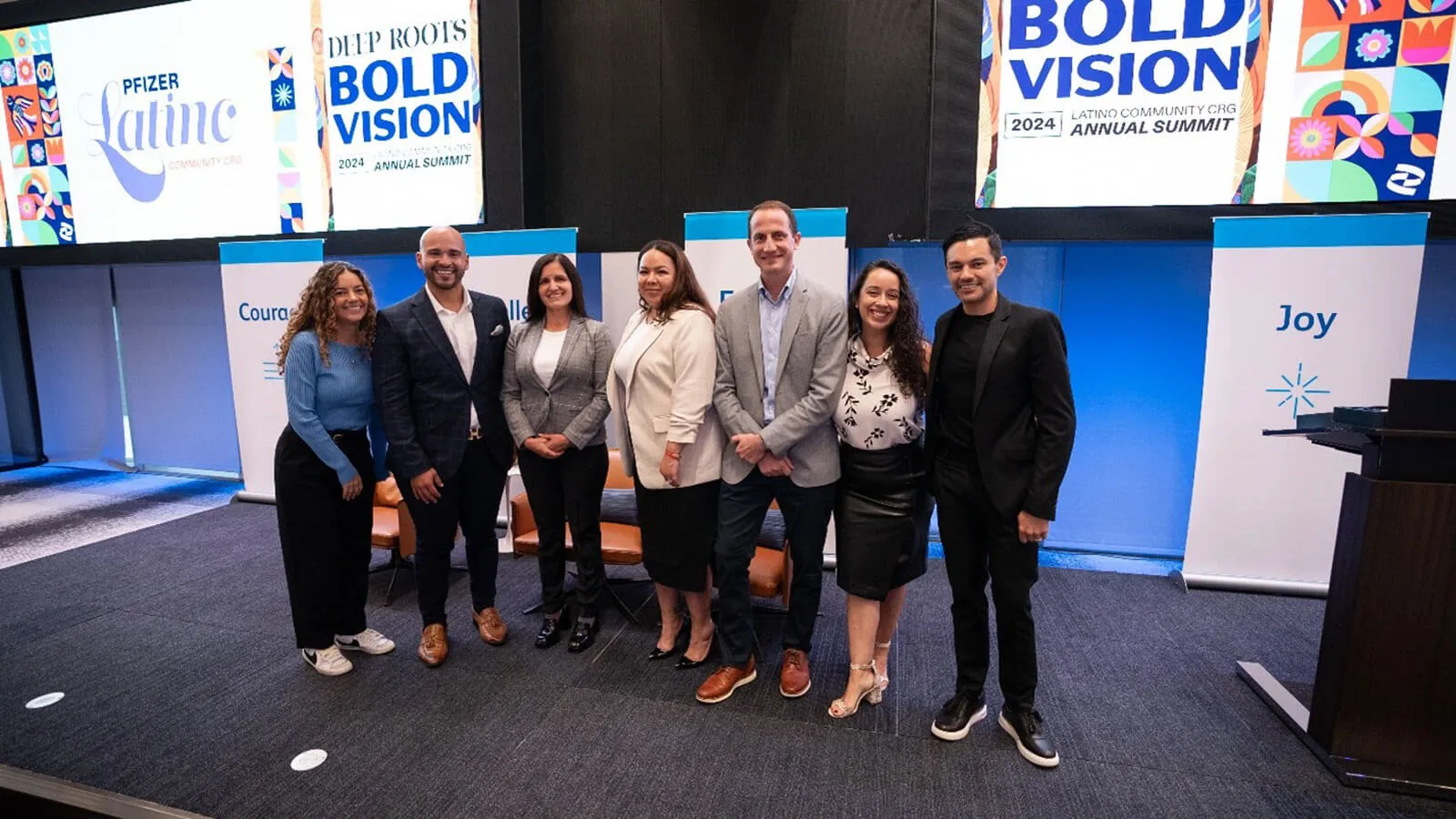
Pfizer’s 4th Latino Summit Champions Latino Representation
In celebration of National Hispanic Heritage Month (September 15 through October 15 of 2024), Pfizer’s Latino Community Colleague Resource Group holds its annual Latino Summit. This year’s 4th annual Summit was held at Pfizer’s New York City headquarters on Wednesday, September 25th.The summit’s theme was "Deep Roots, Bold Vision” and was focused on speaking to the importance of the Latino community’s strong cultural foundation and forwarding-looking aspirations as professionals. Hosted by...

October Social Media Round-Up—Change the Odds, Forbes 2024 World’s Best Employers, and More
October was another eventful month here at Pfizer, and the evidence is all over our social media feeds.CEO Albert Bourla closed out October by celebrating Pfizer’s strong Q3 earnings report, but that wasn’t all the good news we shared. Bourla also shined a spotlight on our one billionth dose of pneumococcal vaccine, while his colleagues recognized the company’s inclusion in the Forbes’ 2024 list of World’s Best Employers, reflected on our partnerships with Patrick Dempsey and the American Cancer...

Working with Partners to Improve Access to Migraine Care
Migraine is a debilitating neurological disorder impacting over a billion people worldwide. At Pfizer, we’re dedicated to understanding the causes of migraine. With that goal in mind, we’ve put together a series of articles exploring different aspects of migraine management.In our first post, we looked at the current state of migraine care, reflecting on what’s working and where there’s room to improve. In the next post, we examined some of the challenges that can prevent people from accessing...

Migraine's Underrated Pain—The Barriers to Treatment
Migraine is a debilitating neurological disorder impacting over a billion people worldwide. At Pfizer, we’re dedicated to understanding the causes of migraine. With that goal in mind, we’ve put together a series of articles exploring different aspects of migraine management.In our first post, we looked at the current state of migraine care, reflecting on what’s working and where there’s room to improve. Then we examined some of the challenges that can prevent people from accessing the prescribed...

The Migraine Treatment Access Problem
Migraine is a debilitating neurological disorder impacting over a billion people worldwide. At Pfizer, we’re dedicated to understanding the causes of migraine. With that goal in mind, we’ve put together a series of articles exploring different aspects of migraine management.In our first post, we looked at the current state of migraine care, reflecting on what’s working and where there’s room to improveToday, we’re discussing one of the biggest roadblocks to treatment for the condition: access.Fo...

The Reality of Living with Migraine
Migraine is a debilitating neurological disorder impacting over a billion people worldwide. At Pfizer, we’re dedicated to understanding the causes of migraine. With that goal in mind, we’ve put together a series of articles exploring different aspects of migraine management.This week, we’re focusing on who the condition impacts, what it’s like to live with migraine, and the challenges and obstacles to accessing care.Migraine is a serious neurological disorder that is not merely a strong headache...

Patrick Dempsey, Pfizer and the American Cancer Society Team Up to “Change the Odds” Against Cancer
For award-winning actor and cancer community advocate Patrick Dempsey, working to help make sure everyone has the same opportunity to prevent, detect and treat cancer is deeply personal. Being by his mother’s side during her 17-year journey with ovarian cancer, Patrick experienced the profound impact that a cancer diagnosis can have on both a patient and their family. It was this experience that led him to create The Dempsey Center, a non-profit which offers a space where people navigating...
Media Resources & Contact Information
Anyone may view our press releases, press statements, and press kits. However, to ensure that customers, investors, and others receive the appropriate attention, Pfizer Media Contacts may only respond to calls and emails from professional journalists.