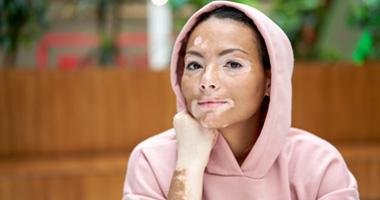

What are Skin Conditions?
The skin is the largest organ of the human body. In every person, skin is made up of three distinct layers:1
The outermost layer of the skin that protects the body from physical damage caused by the outside environment. The epidermis also helps regulate blood circulation and offers first-line immunological, or immune system, protection against various external factors, such as infectious agents.2
This connective tissue layer exists between the epidermis and a layer of subcutaneous tissue known as the hypodermis. The dermis helps support and protect deeper layers of skin and body tissues. It also helps regulate body temperature and houses structures that are important for sensation.3
The innermost layer of the skin, the hypodermis, also known as subcutaneous, or fat layer, is mostly made up of adipose tissue or fat cells. It helps insulate the body against temperature changes, prevents damage to internal organs by absorbing shock, and provides structural support for the other skin layers.4
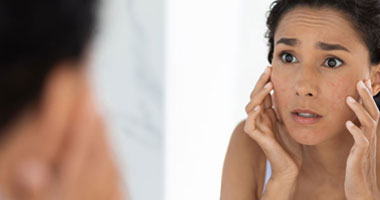
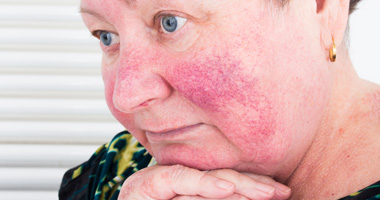
A skin condition, or skin disease, is any change to the skin resulting from injury, irritation, infection, problems with the immune system, or other disruptions.5 Most skin conditions present with signs or symptoms such as itching, burning, pain, bumps, growths, redness, or swelling. If an environmental or immunological factor inflames, clogs, or irritates the skin, a person may experience rashes, hives, or other skin lesions.5
In some cases, skin conditions arise due to age, stress, genetic factors, metabolic disorders, immune system problems, or other reasons that aren’t clear or well understood.5
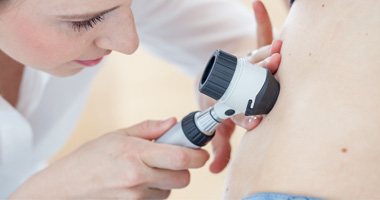
Doctors determine the cause of skin conditions by first taking a complete history and performing a physical examination.6 If these alone don’t reveal the cause or diagnosis, further testing might be necessary, including:7,8,9
- Blood tests
- Biopsy
- Cultures
- Diascopy
- Dermoscopy
- Hair tests
- Patch testing
- Skin prick or scratch tests
- Skin scrapings
- Tzanck testing
- Wood light (lamp) examination
Topical agents that are applied directly to the area of affected skin are a mainstay of treatment for various skin conditions. These medicines or agents may be in the form of creams, ointments, foam, sprays, solutions, powders, liquids, or gels. Examples of topical agents include:10
- Anti-inflammatory medications
- Anti-microbial agents
- Anti-pruritics
- Astringents
- Cleansing agents
- Drying agents
- Immunomodulators11
- Keratolytic agents
- Moisturizers
In some cases, other medications such as topical bleaching agents12, chemotherapy medications13, hormone therapy14, vitamins15, or retinoids16 may be recommended to help manage specific skin conditions.
Prevalence of Skin Conditions
The exact number of people living with skin conditions is unknown. However, it’s estimated that at any given time, as many as one out of every three people in the U.S. have a skin condition.5 Recent data gathered by the World Health Organization suggests that up to 1.8 billion people worldwide are affected by skin conditions.17
Some skin conditions occur more frequently than others. For example:18
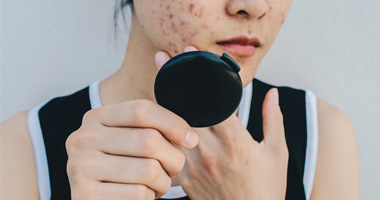
- Acne affects about 50 million people in the U.S. every year.
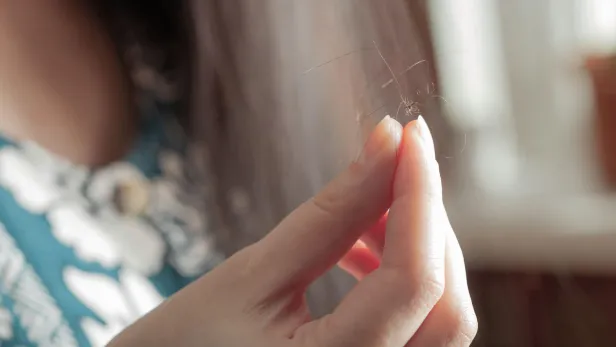
- Alopecia, or hair loss, affects up to 80 million Americans each year.
- Atopic dermatitis, the most common form of eczema, affects one in 10 Americans of all ages.
- Psoriasis impacts an estimated 7.5 million people in the U.S.
Causes and Risk Factors
What Causes Skin Conditions?
There’s no one cause of any skin condition — instead, a variety of factors may cause a person to develop one. Such factors may include:5
- Age
- Acquired or inherited genetic mutations
- Environmental exposures
- Immune system disorders or other problems
- Lifestyle and health (e.g. smoking)
- Metabolic disorders
Remember, many skin conditions arise for unknown or unclear reasons.5
Skin Conditions and Genetics
Every cell in the body contains genes, which are made of deoxyribonucleic acid (DNA) or ribonucleic acid (RNA). Those genes act as instructions, guiding each cell to make specific molecules that are necessary for normal body functions. In some cases, genes also help control the actions of other genes.19,20
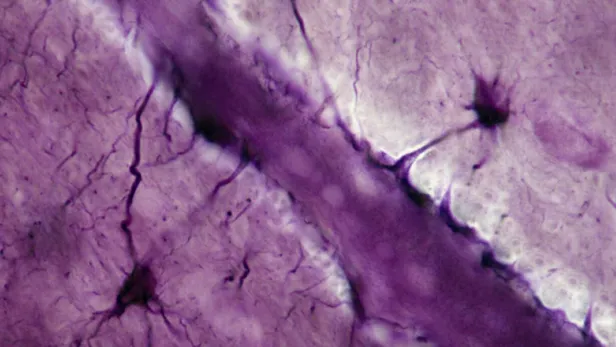
Many different cell types make up the skin, and all of them produce different molecules the body uses. However, a single gene mutation can be enough to change how each cell makes molecules. This, in turn, can change how each molecule works, potentially leading to symptoms of skin conditions.20
Researchers have identified several different classes of gene mutations that occur in a wide range of skin conditions such as skin cancer, inherited skin conditions, and others.20,21
Skin Conditions Risk Factors
Even though many skin conditions occur for unclear reasons, doctors have identified some risk factors that may affect skin health. These include:22,23
- Age
- Alcohol consumption
- Certain medications
- Comorbid conditions like diabetes or obesity
- Dehydration
- Environmental exposure
- Genetics
- Hormone changes
- Impaired circulation or oxygenation
- Immune system dysfunction
- Nutritional deficiencies Smoking
- UV exposure
Skin Conditions Prevention and Screening
Once-monthly or routine skin self-exams can be considered by individuals to screen or monitor their skin for signs of change. It’s important to look for signs of skin cancer, which may include new or changing moles or other skin lesions.24
The skin itself changes as people get older — in addition to regular self-exams, doctors often recommend that people limit their time spent in the sun, use sunscreen, avoid tanning, and wear sun-protective clothing and sunglasses. These practices help keep skin healthy and may reduce the risk of photo-aging or skin cancer.25
It may not be possible to prevent all skin conditions or diseases of the skin, so prevention efforts should focus on proper skincare, hygiene, bathing practices, and protection from harmful environmental exposures. If you notice any concerning changes to your skin, you should see a dermatologist or other healthcare provider.24
Types of Skin Conditions
- Blistering skin conditions
These conditions result in fluid-filled lesions that may be small or large. Small lesions are known as vesicles while larger blisters are called bullae. Blisters may occur in only one area or spread across several areas of the body.26
Examples of blistering skin conditions include:26
- Bullous pemphigoid
- Poison Ivy
- Shingles (varicella zoster)
- Toxic epidermal necrolysis
- Pigmentation disorders
Human skin pigmentation, or skin color, results from several factors, such as genetics, UV radiation exposure, immune disorders, infections, and some medications. Skin pigmentation disorders are usually classified into two major groups:27
- Hyperpigmentation: There’s excessive or abnormal pigmentation
- Hypopigmentation: The pigment of the skin is reduced
Some of the most common skin pigmentation disorders include:27
- Addison’s disease
- Albinism
- Melasma
- Post-inflammatory hyper- or hypopigmentation
- Vitiligo
- Hair follicle disorders
Folliculitis results from an infection caused by bacterial, fungal, viral, or parasitic sources. Signs of the condition include pustules and inflammation surrounding hair follicles. Acne, a noninfectious form of folliculitis, may cause inflammation of the pores of the skin.28
- Inflammatory skin conditions
- Dermatitis
Also called a rash, dermatitis is an area of irritated or swollen skin. In some cases, rashes develop into patches, raw skin, or blisters. Rashes are often a symptom of other medical problems. Some grow quickly, while others develop over a period of several days.30
Contact dermatitis is a very common rash that causes symptoms such as redness, itching, and sometimes small bumps on the skin. It occurs when the skin encounters irritants or allergens, such as certain chemicals or poison ivy.30
Atopic dermatitis is the most common form of eczema. It causes dry, itchy skin and rashes on the body in areas such as the face, hands, feet, and inside the elbows and behind the knees.31
- Benign skin lesions
Benign skin lesions are any non-cancerous growth that develops on the skin. People of any age can develop this type of skin condition. Some of the most common benign skin lesions include cysts, freckles, keloids, moles, seborrheic keratosis, and skin tags.32
- Malignant skin conditions
Unlike benign skin lesions, malignant skin conditions are cancerous. Skin cancer is the most common type of cancer. The main types of skin cancers are:33
- Basal cell carcinoma
- Melanoma
- Squamous cell carcinoma
- Skin conditions occurring during pregnancy
Some people develop certain skin conditions while pregnant — these conditions are usually categorized in three ways: those resulting from benign, hormone-related changes to the body; pre-existing conditions; and pregnancy-specific skin conditions.34
There are several common skin conditions that can appear during pregnancy, such as:34
- Atopic eruption of pregnancy
- Hyperpigmentation
- Polymorphic eruption of pregnancy
- Striae gravidarum (stretch marks)
- Skin conditions related to nutritional disorders
It’s also possible to develop a skin condition if you have a vitamin or mineral deficiency, or if you don’t ingest enough protein. For example, a disease called acrodermatitis enteropathica may result from zinc deficiency or too little zinc in the diet or poor absorption of zinc. A vitamin A deficiency may lead to phrynoderma, while a vitamin C deficiency may cause scurvy.35
Symptoms of Skin Conditions
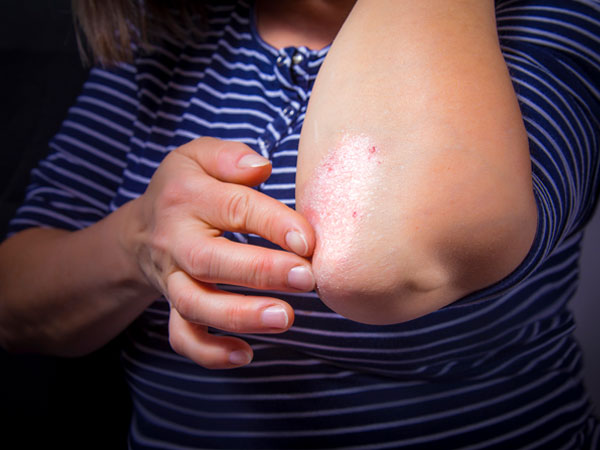
Because there are so many different types of skin conditions, a person may experience many different symptoms, depending on the underlying cause. Some of the most common signs or symptoms of skin conditions include:5,6
- Burning
- Itching
- Hives
- Moles that change in color, size, texture, or shape
- Pain
- Rashes
- Redness
- Scaling
- Swelling
- Hardening
- Thickening, or scaly skin plaques (lichenification)
- Blisters
- Ulcers
- Scars
- Changes in skin color, which may or may not appear in patches
Diagnosis and Treatment
Skin Conditions Diagnosis
In many cases, doctors diagnose skin conditions based on a complete physical examination and a discussion of your medical history.6 However, further testing is sometimes required. Additional tests to diagnose skin conditions may include:7,8
- Biopsy
Doctors remove a sample of affected skin for further testing in a laboratory.
- Diascopy
This test shows if the skin changes color when pressure is applied with a glass slide or spatula. Some skin conditions turn different colors, such as red or yellowish-brown, when doctors perform this test.
- Patch testing
Doctors apply small samples of common and suspected allergens to an area of skin to see if there’s a visible reaction. If any allergen causes a skin reaction, such as redness, bumps or itching rash, the person may be allergic to that substance.
- Scrapings
During this test, doctors scrape part of the affected skin off for examination under a microscope. This is usually performed if doctors suspect fungal infections or a problem like scabies.
- Tzanck testing
This test helps doctors identify skin conditions caused by viruses, which produce small blisters when active. The doctor removes the top of a blister and then obtains some of the fluid that’s inside. Then the fluid is examined in a laboratory or under the microscope.
- Wood light (or lamp) examination
An ultraviolet light known as a Wood light is projected onto the skin. The light makes certain types of bacteria, yeast or fungi glow. A Wood light can also make some conditions such as vitiligo more visible.
Skin Conditions Treatment
In most cases, topical treatments help to manage the symptoms of various skin conditions. These topical treatments may be powders, liquids, or a combination of liquid and oil.10
Doctors may recommend one or several topical treatments, such as:10
- Anti-inflammatory agents to help manage inflammation
- Anti-microbial agents to treat bacterial, fungal, or other infections
- Anti-pruritics to help relieve itching
- Astringents that help clean or remove oils that can dry the skin
- Cleansing agents such as soap
- Drying agents to help manage excessive moisture or sweat
- Moisturizing agents to promote skin hydration by restoring oils and water to the skin
Global Impact of Skin Conditions

The exact number of people living with skin conditions is unknown. However, it’s estimated that around 1.8 billion people around the world are affected by skin conditions at any given time.17
Frequently Asked Questions About Skin Conditions
- What are skin conditions?
A skin condition is any change to the skin resulting from injury, irritation, infection, problems with the immune system, or other disruptions.5
- Are there different types of skin conditions?
There are many different types of skin conditions, including acne, eczema, hives, psoriasis, skin cancer, and skin infections.36
- What are some common clinical signs of skin conditions?
Since there are so many types of skin conditions, there are also many symptoms a person may experience. Generally, the most common symptoms of skin conditions include:5, 6
- Burning
- Itching
- Moles that change in color, size, texture, or shape
- Rashes or hives
- Redness
- Swelling
- Thick, scaly skin patches
- Blisters
- Growths
- Hardening
- Ulcers
- Scars
- Changes in skin color, which may or may not appear in patches
- What treatments are available for skin conditions?
Most often, topical treatments help manage the symptoms of skin conditions. Topical agents may be powders, liquids, or a combination of liquid and oil.10
Topical treatments may include:10
- Anti-inflammatory agents
- Anti-microbial agents
- Anti-pruritics
- Astringents
- Cleansing agents
- Drying agents
- Moisturizing agents
In some cases, doctors recommend systemic treatments that can be taken by pill, injection, or intravenously (IV).10
- If I’m diagnosed, where do I begin?
To confirm a diagnosis, your doctor may recommend further testing including:7
- Biopsy
- Diascopy
- Patch testing
- Scrapings
- Tzanck testing
- Wood light examination
Your doctor will discuss treatment options with you. These options may be topical medications in cream, ointment, powder, gels, foams, liquid, or combination form.10
- How do I get screened for skin conditions?
A once-monthly skin self-exam is recommended to screen for skin cancer and any other skin conditions. If changes are noticed and the individual is concerned, they should see their doctor or a dermatologist.24
Learn More About Skin Conditions
Find a Pfizer trial for some skin conditions at PfizerClinicalTrials.com.
Explore clinical trials for various disorders, including skin conditions at ClinicalTrials.gov.
- References
- Yousef H, Alhajj M, Fakoya AO, Sharma S. Anatomy, skin (Integument), epidermis. In: StatPearls. StatPearls Publishing; 2025. Updated June 8, 2024. Accessed February 23, 2026. https://www.ncbi.nlm.nih.gov/books/NBK470464/
- Dodia P, Arida MA. Dermatopathology epidermis histology. In: StatPearls. StatPearls Publishing; 2025. Updated May 6, 2023. Accessed February 23, 2026. https://www.ncbi.nlm.nih.gov/books/NBK592423/
- Brown TM, Krishnamurthy K. Histology, dermis. In: StatPearls. StatPearls Publishing; 2025. Updated November 14, 2022. Accessed February 23, 2026. https://www.ncbi.nlm.nih.gov/books/NBK535346/
- Sherrel Z. Anatomy and functions of the subcutaneous layer. Medical News Today. Updated May 29, 2025. Accessed February 23, 2026. https://www.medicalnewstoday.com/articles/subcutaneous-layer.
- Skin conditions overview. Pfizer. Accessed February 23, 2026. https://www.pfizer.com/disease-and-conditions/skin-conditions.
- Beneditti J. Evaluation of the dermatological patient. Merck Manual Professional Version. Updated January 2024. Accessed February 26, 2026. https://www.merckmanuals.com/professional/dermatologic-disorders/approach-to-the-dermatologic-patient/evaluation-of-the-dermatologic-patient?_gl=1*40ww6i*_up*MQ..*_ga*MTU3NzgyODEwOC4xNzcyMTI3NTQ3*_ga_CJ792HFYYC*czE3NzIxMjc1NDYkbzEkZzAkdDE3NzIxMjc1NDYkajYwJGwwJGgw.
- Benedetti J. Diagnostic tests for skin disorders. Merck Manual Professional Version. Updated January 2024. Accessed February 23, 2026. https://www.merckmanuals.com/professional/dermatologic-disorders/approach-to-the-dermatologic-patient/diagnostic-tests-for-skin-disorders.
- Benedetti J. Diagnosis of skin disorders. Merck Manual Consumer Version. Updated January 2024. Accessed March 19, 2026. https://www.merckmanuals.com/home/skin-disorders/biology-of-the-skin/diagnosis-of-skin-disorders
- Sonthalia S, Yumeen S, Kaliyadan F. Dermoscopy overview and extradiagnostic applications. In: StatPearls. StatPearls Publishing; 2026.
- Keri J. Principles of topical dermatologic therapy. Merck Manual Professional Version. Updated February 2024. Accessed February 23, 2026. https://www.merckmanuals.com/professional/dermatologic-disorders/principles-of-topical-dermatologic-therapy/principles-of-topical-dermatologic-therapy.
- Kadu PP. Topical non-steroidal immunomodulators in dermatology. Indian Dermatology Online Journal. 2023;14(3):402.
- Schwartz C, Jan A, Zito PM. Hydroquinone. In: StatPearls. StatPearls Publishing; 2026.
- Getting topical chemotherapy. American Cancer Society. Updated May 15, 2025. Accessed March 19, 2026. https://www.cancer.org/cancer/managing-cancer/treatment-types/chemotherapy/topical-chemotherapy.html#:~:text=starting%20topical%20chemo-,What%20is%20topical%20chemo?,)%20and%20tirbanibulin%20(Klisyri).
- Kamp E, Ashraf M, Musbahi E, DeGiovanni C. Menopause, skin and common dermatoses. Part 2: skin disorders. Clinical and Experimental Dermatology. 2022;47(12):2117.
- Should I take vitamins or supplements for my skin? American Academy of Dermatology Association. Updated June 25, 2025. Accessed March 19, 2026. https://www.aad.org/public/everyday-care/skin-care-secrets/routine/supplements-for-your-skin#:~:text=Some%20supplements%20that%20may%20help%20with%20skin,Reduces%20inflammation%20and%20relieves%20dryness%20and%20irritation
- Motamedi M, Chehade A, Sanghera R, Grewal P. A clinician’s guide to topical retinoids. Journal of Cutaneous Medicine and Surgery. 2021;26(1):71.
- WHO’s first global meeting on skin NTDs calls for greater efforts to address their burden. World Health Organization. Updated March 31, 2023. Accessed February 23, 2026. https://www.who.int/news/item/31-03-2023-who-first-global-meeting-on-skin-ntds-calls-for-greater-efforts-to-address-their-burden.
- Skin conditions by the numbers. American Academy of Dermatology Association. Updated February 11, 2025. Accessed February 23, 2026. https://www.aad.org/media/stats-numbers.
- What is a gene? MedlinePlus. Updated May 21, 2024. Accessed February 23, 2026. https://medlineplus.gov/genetics/understanding/basics/gene/.
- DNA. Cleveland Clinic. https://my.clevelandclinic.org/health/body/dna. Updated July 9, 2025. Accessed April 27, 2026.
- Genetics of Skin Cancer (PDQ®) – Health Professional Version. National Cancer Institute. Updated May 9, 2025. Accessed February 23, 2026. https://www.cancer.gov/types/skin/hp/skin-genetics-pdq.
- Open Resources for Nursing; Ernstmeyer K, Christman E, editors. Chapter 10 Integumentary. In: Nursing Fundamentals [Internet]. Chippewa Valley Technical College; 2021. https://www.ncbi.nlm.nih.gov/books/NBK591822/
- Hussein RS, Dayel SB, Abahussein O, El‐Sherbiny AA. Influences on skin and intrinsic aging: biological, environmental, and therapeutic insights. Journal of Cosmetic Dermatology. 2024;24(2):e16688. Updated November 27, 2024. Accessed February 26, 2026. https://pmc.ncbi.nlm.nih.gov/articles/PMC11845971/#:~:text=The%20review%20identifies%20major%20internal,pigmentation%20changes%2C%20and%20texture%20alterations.
- How to do a skin self-exam. American Cancer Society. Updated June 26, 2024. Accessed February 23, 2026. https://www.cancer.org/cancer/risk-prevention/sun-and-uv/skin-exams.html.
- Skin care and aging. National Institute on Aging. Updated February 11, 2025. Accessed February 26, 2026. https://www.nia.nih.gov/health/skin-care/skin-care-and-aging#:~:text=To%20protect%20your%20skin%2C%20you%20can:%20*,your%20water%20*%20Trying%20using%20a%20humidifier.
- Peraza D. Overview of blistering disorders. Merck Manual Consumer Version. Updated February 2024. Accessed February 26, 2026. https://www.merckmanuals.com/home/skin-disorders/blistering-diseases/overview-of-blistering-disorders.
- Thawabteh AM, Jibreen A, Karaman D, Thawabteh A, Karaman R. Skin pigmentation types, causes and treatment—a review. Molecules. 2023;28(12):4839.
- Rehmus W. Folliculitis. Merck Manual Professional Version. Updated June 2023. Accessed February 23, 2026. https://www.merckmanuals.com/professional/infectious-diseases/bacterial-skin-infections/folliculitis.
- Tang L and Zhou F (2020) Inflammasomes in Common Immune-Related Skin Diseases. Front. Immunol. 11:882. doi: 10.3389/fimmu.2020.00882
- Rashes. MedlinePlus. Updated June 17, 2025. Accessed February 23, 2026. https://medlineplus.gov/rashes.html.
- Eczema. MedlinePlus. Updated June 15, 2025. Accessed February 23, 2026. https://medlineplus.gov/eczema.html.
- Other benign skin growths. Johns Hopkins Medicine. https://www.hopkinsmedicine.org/health/conditions-and-diseases/other-benign-skin-growths. Accessed April 27, 2026.
- Skin cancer (including melanoma)-Patient version. National Cancer Institute. Accessed February 23, 2026. https://www.cancer.gov/types/skin.
- Erlandson M, Wertz MC, Rosenfeld E. Common skin conditions during pregnancy. AFP. 2023;107(2):152-158.
- Wong CY, Chu DH. Cutaneous signs of nutritional disorders. International Journal of Women’s Dermatology. 2021;7(5Part A):647.
- Skin conditions. MedlinePlus. Updated April 23, 2024. Accessed February 23, 2026. https://medlineplus.gov/skinconditions.html.
The information contained on this page is provided for your general information only. It is not intended as a substitute for seeking medical advice from a healthcare provider. Pfizer is not in the business of providing medical advice and does not engage in the practice of medicine. Pfizer under no circumstances recommends particular treatments for specific individuals and in all cases recommends consulting a physician or healthcare center before pursuing any course of treatment.
Related Articles